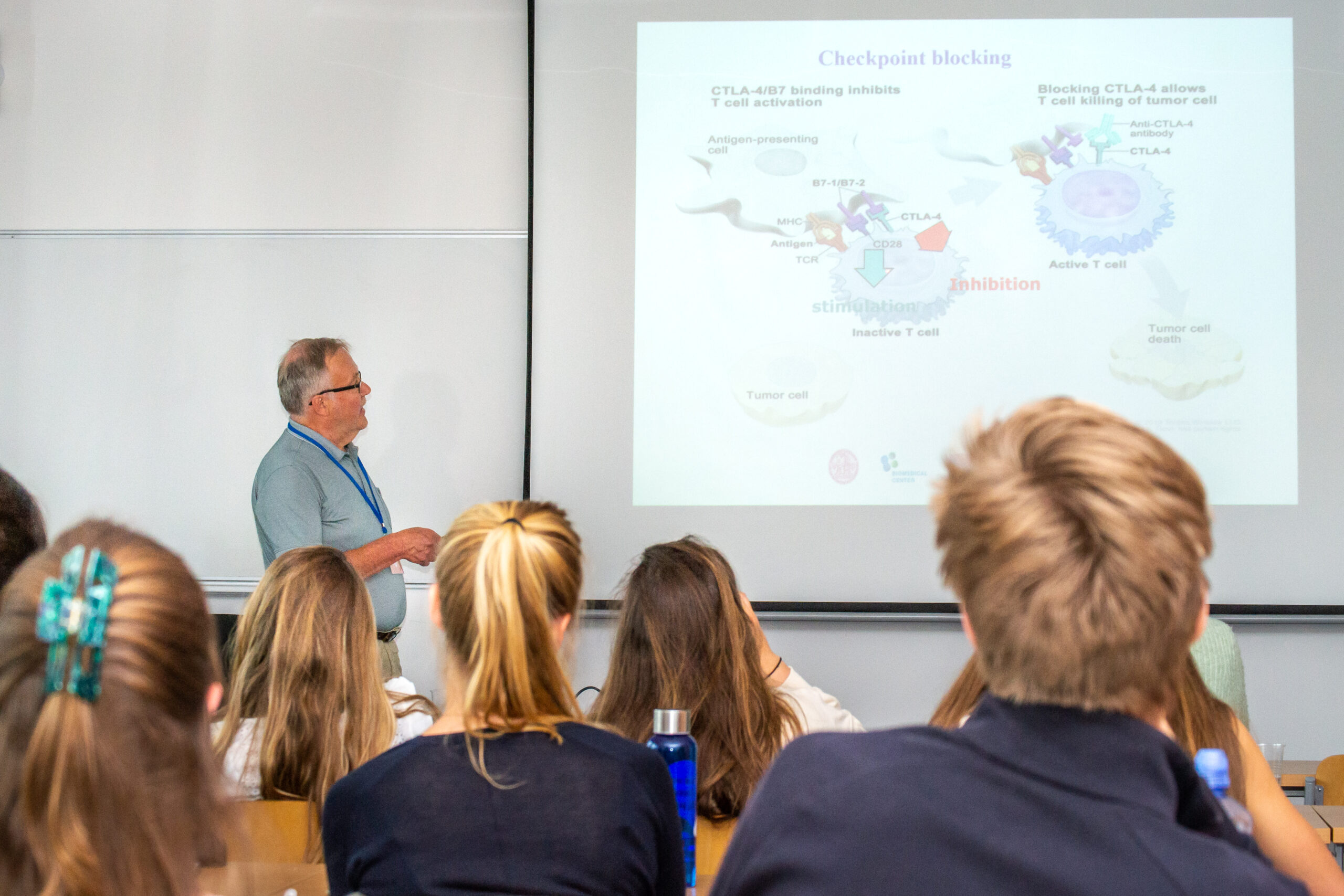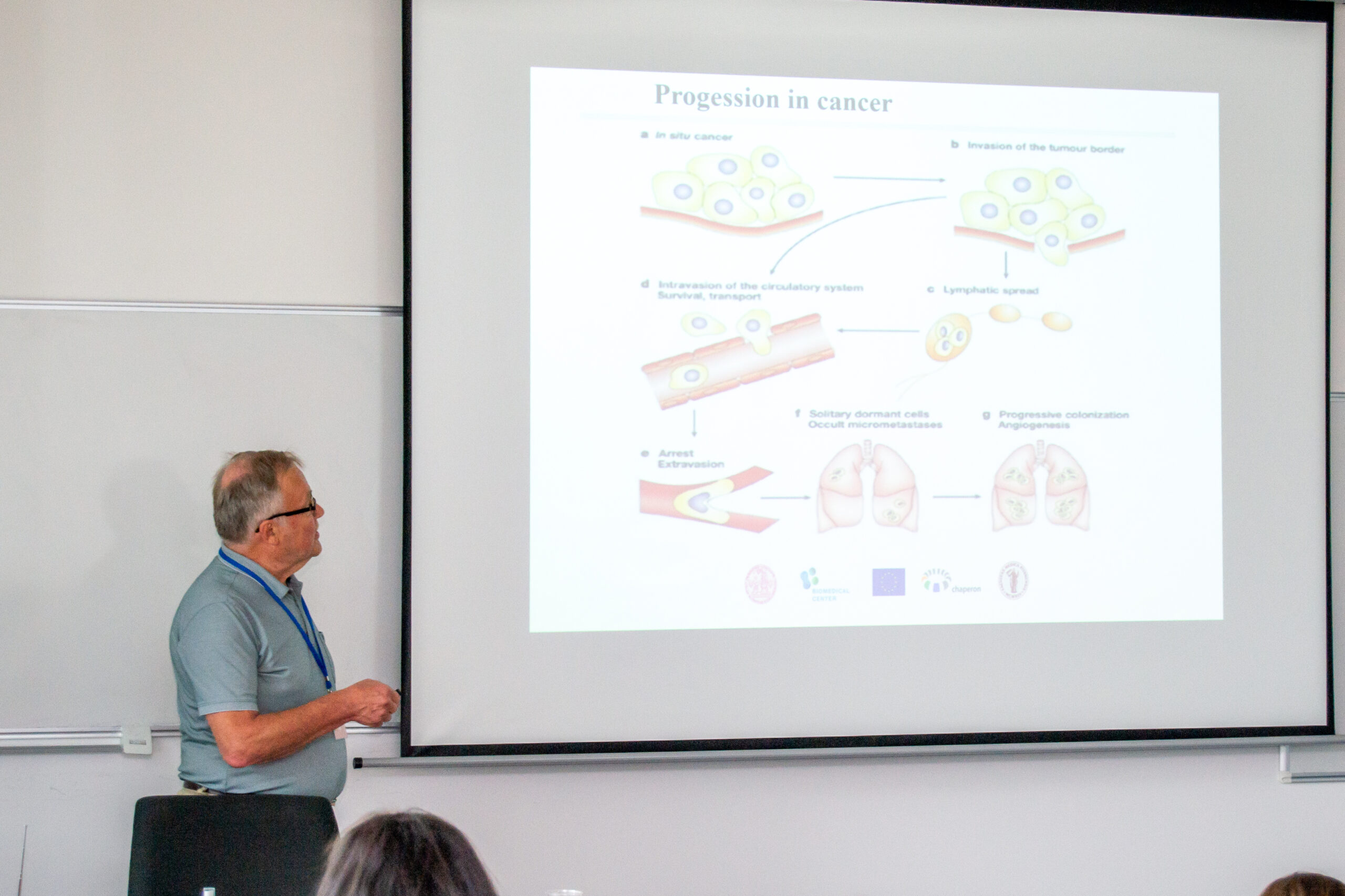
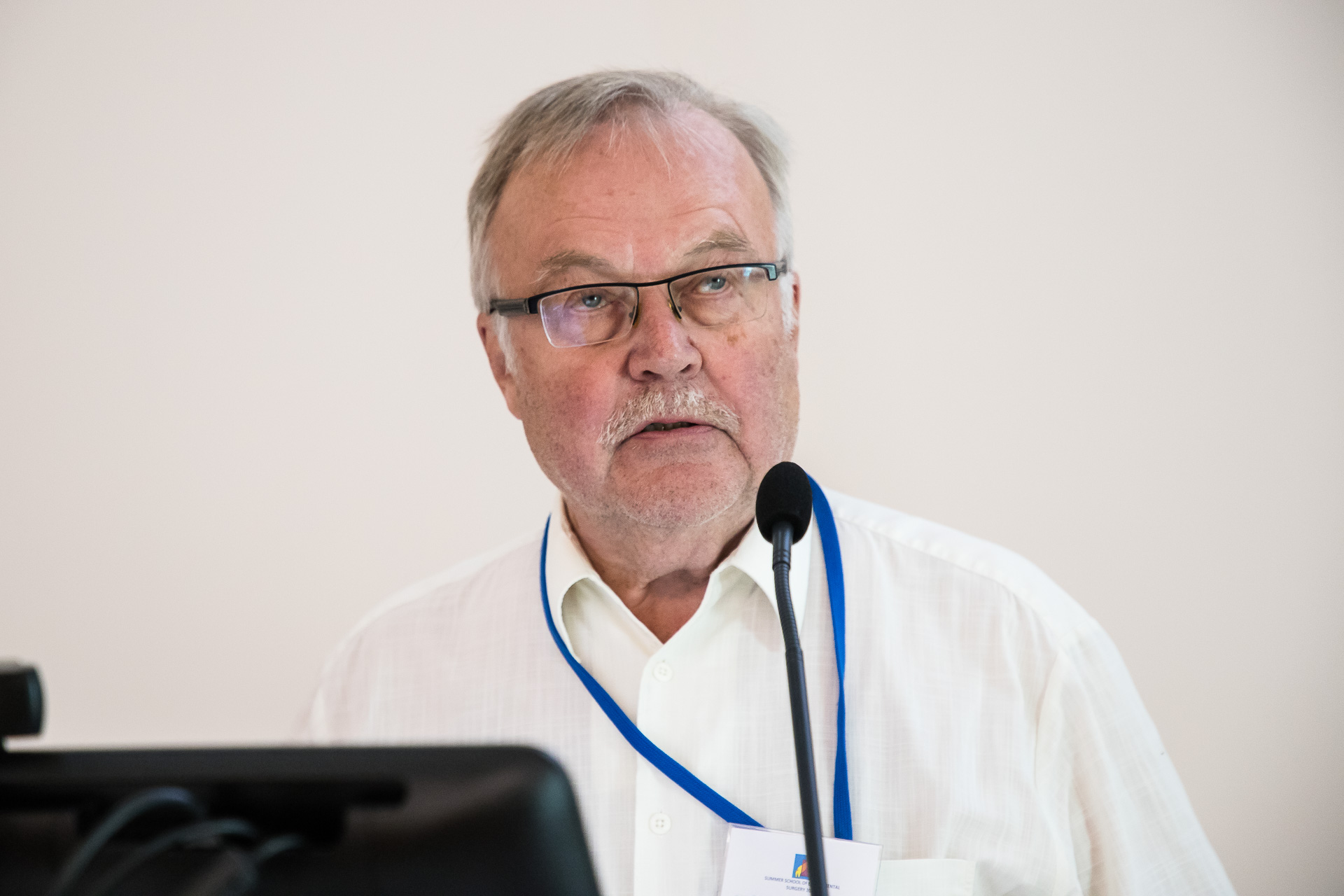
Professor Kari Hemminki comes from Finland and started his medical studies at the University of Helsinki. He became an associate professor in biochemistry in 1975, and his postdoctoral research was already devoted to molecular biology at Johns Hopkins University in Baltimore, Maryland, USA. He is a professor emeritus of the German Cancer Research Center (Deutsches Krebsforschungszentrum – DKFZ) in Heidelberg, where he led the Division of Cancer Epidemiology from 2003 to June 2019.
At present, he has been working at the Faculty of Medicine at Charles University in Pilsen since the beginning of the year 2020 as ERA Chair, according to the terminology of the European research support programme Horizon 2020. As a top researcher and world-renowned scientist in the field of cancer genomics and cancer epidemiology, he has established and leads a new Translational Cancer Genomics Laboratory at the Biomedical Centre.
What brought you to the Czech Republic, to Pilsen?
Well, I have been to the Czech Republic many times before, in fact in the summer of 1968 for the first time. And I had already many Czech students, colleagues and friends from my previous work, so Czech was not a foreign country to me. Actually some of them were also from Pilsen, where I have passed through on my way from Heidelberg to Prague in the past.
And it was in Heidelberg, at my retirement from German Cancer Research Center in 2019, where I learned about the European Research Area (ERA) program that Charles Univesity in Pilsen had a chance to win. The position for the leading researcher was announced, I applied, and was selected.
How long have you been living in Pilsen by now?
Since 2020, but interrupted by the Corona years. However, I commute to Heidelberg that is not that far – about 400km from Pilsen, almost on a weekly basis.
What is your position at the Biomedical Center of the Faculty of Medicine in Pilsen?
ERA chair holder in translational oncology at Biomedical Center of the Faculty of Medicine in Pilsen at the Charles University. Given my experience with leadership and research projects, my goal is to bring crucial scientific and managerial know-how that will help increase the competitiveness of the Biomedical Center, but also of the whole faculty and university.
What made you in the early days to decide to dedicate your life to research in the field of cancer epidemiology and cancer genomics?
I have been in research for 50 years and changed research areas many times. The above themes became dominant about 30 years ago not least because of funding issues. Science is heavily reliable on funding possibilities provided by funding agencies in all countries. Just like here, we do not get any money from the university, except the EU money given to the university.
And the funding priorities change throughout the time. In the beginnings in Finland and Sweden, the stress was put on the environmental issues. I have changed my focus when starting my work in Germany, where the funds were available. We can say the science is somehow guided by priority areas.
Could you describe the Chaperon project in brief, please?
The idea for this program by EU is to support science in countries which are below 50% of the EU average. Czechia was just below this limit and was eligible.
The Biomedical Centre of the Faculty of Medicine of Charles University in Pilsen is so far only the fourth successful applicant in the Czech Republic to succeed in one of the ERA Chairs calls. The choice of the project topic (full name CHAPERON – ERA Chair Position for Excellent Research in Oncology) fell on the area of cancer research not only because it is a high priority in this region – Pilsen region has a high incidence of various cancers, including colon, kidney or bladder cancer – but also in connection with the current focus of the Centre, which today has several high-quality research teams focused on cancer.
Thanks to the grant, we were able to establish a new Translational Cancer Genomics Laboratory and set up own international research team.
What expertise and know-how can you benefit from your past working experiences in different countries?
During my 50 years in science, there has been enormous change in understanding and available research methods and technologies. I have always tried to keep up.
How does the project team look like?
The team was recruited with the focus on this particular project and is very international.
Setting up the team was difficult because of Corona and because of the fact that Prague young scientists do not consider moving to Pilsen. Now we are about 10 people in the team, with competent senior level of scientists and motivated PhD students. Mainly foreigners, only the minority is Czech.
How exactly is the project helping in fighting the cancer?
Understanding about mechanisms may help to develop early detection methods. Comparing epidemiological results among countries should point out clinical practices improving cancer care.
Much of the work around the project deals with molecular genetics and genetic epidemiology. The basic idea is to understand why there are familiar cancers, what the genetic basis might be.
In Sweden, we could run a family study of 10 million people. So we had and idea what the familiar cancers are and what the risk levels are. There is also a Nordic database for all the Nordic countries available.
Then we carried on with the team in Germany to study the genetic studies and we continue here.
For the generic studies, we need samples. Therefore it is very important that the hospital is next to the Biomedical center, which I knew already before coming here. We have even used the samples from Pilsen while my work in Germany.
In what phase is the project right now and what are the challenges ahead of you?
We have managed to overcome the early obstacles caused by Corona and now proceed in full speed. The project will end next year in the summer. We have managed to catch up on the schedule delayed at the beginning of the project, where the money for the first years were postponed to later parts of the project.
The idea is that the activities will continue, so this the project is a useful investment.
How do you find the working environment and overall conditions here at the Biomedical Center in comparison with your previous experiences in the field of research and education?
Unfortunately there are a lot of restrictions of use of the available funds. They have to be used on a yearly basis and many project-related purchases need to be motivated in Czech to the administration, as if they were more competent to direct science than the scientists. From my previous experiences in other countries, if you were awarded a grant for 3 or 5 years you were the one to run it without interruptions and interference. Science project administration including the tender rules and limits is far too heavy in Czechia. Above the EU regulations which are already quite complicated.
And the difficult administration causes lots of work on our side to be done and delays the scientific projects. And because the finances for science are limited, it is a shame that large part of it is used to control it.
But my colleagues working here within the projects are very experienced and they are aware of the rules and procedures. And also there are some discussion about some adjustments at the moment to improve it I believe.
Would you recommend a chance to be part of the projects at the Biomedical Center in Pilsen to any of your foreign colleagues? Would you mention any difficulties you are facing here as a foreign citizen?
Yes, for any open ERA chairs I would recommend to apply.
The Czech language is a challenge for sure. I have started with Czech language course when I came, because there is still a number of people who do not speak any foreign language on a daily life basis, eg. in the shops. But of course English is no problem within my team and work.
How do you like Pilsen? What do you do in your free time in the Pilsen region? What is your favorite place or activity here?
Frankly my free time is rather small. But Pilsen is a beautiful old town and I enjoy its culture walking in the center and around the river banks.
My favourite activity in warm summer days is to finish my day by dipping in Košutecké jezírko.
And when I do have some more free time, I like to do some hiking in the places around the Pilsen region.